Egg Carton Buying Guide: From Pulp to Plastic
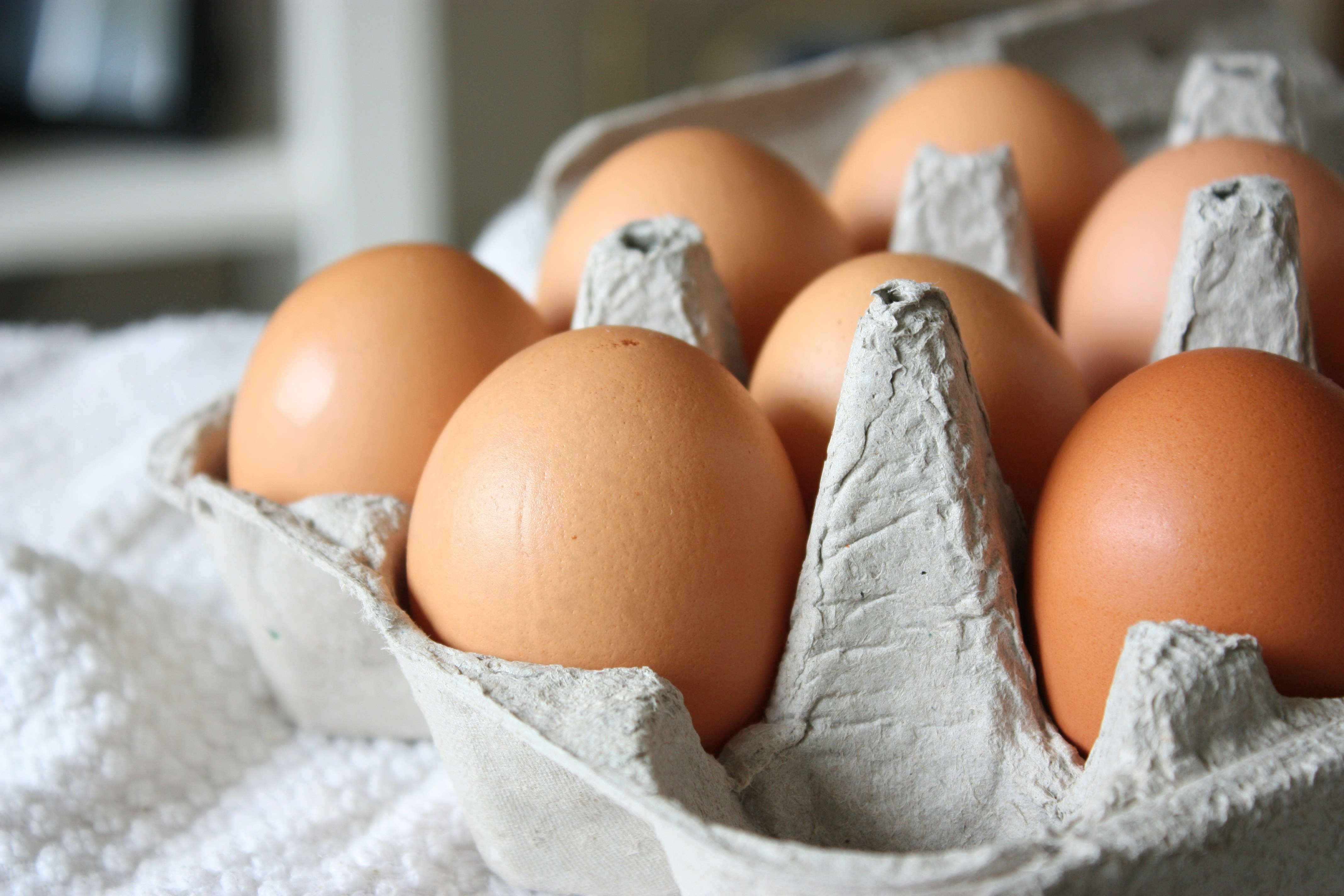
Egg cartons protect one of the most fragile products in the food supply chain. Choosing the right material impacts product protection, cost, shelf presentation, and sustainability goals. The three main options are molded pulp, foam, and clear plastic, and each has distinct advantages depending on your operation.
Molded pulp cartons are made from recycled paper fiber and are the most widely used and environmentally friendly option. They provide excellent cushioning through their molded cell structure and are fully biodegradable. These are ideal for farm stands, farmers markets, and retailers focused on sustainability branding. Pulp cartons accept labels and stamps well and are available in natural brown or bleached white finishes.
Foam EPS cartons offer superior insulation and moisture resistance, which is important in wet or refrigerated environments. They are lightweight and typically the least expensive option per unit. However, foam cartons are not recyclable in most municipalities, which can be a concern for customers who prioritize eco-friendly packaging.
Clear PET plastic cartons give consumers a full view of the eggs, which is a strong selling point at retail. Shoppers can inspect every egg without opening the carton, reducing returns and complaints. PET cartons are the most expensive option but command premium shelf positioning and are recyclable in most areas. They work especially well for brown eggs, free-range, and organic brands where the visual quality of the egg is a key selling point.
All three carton types are available in 6-count, 12-count, and 18-count configurations, and all can be custom printed or labeled with your farm name, certifications, and contact information. Contact us at (469) 489-4999 for custom print minimums and lead times.